The Endgame Is Eating the Game
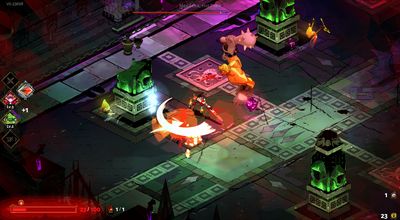
A post-credits grind can be great. Bolting one onto every game turns finales into onboarding screens and playtime into unpaid admin.
A post-credits grind can be great. Bolting one onto every game turns finales into onboarding screens and playtime into unpaid admin.
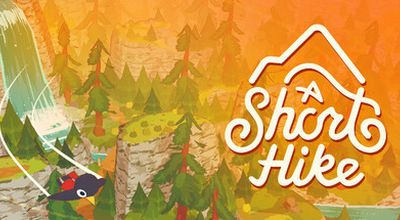
A huge open world can be wonderful, but the six-hour game is starting to feel like a gift: focused, memorable, and honest about the time players can spare.
Steam earned trust by fading into the background. Rival launchers can compete, but only if they stop turning every play session into account maintenance.
Perfect games are nice. The ones players remember for decades are often stranger: rough, stubborn, full of ideas, and impossible to mistake for anything else.
Subscriptions make it easier to try games, but they can also turn a library into a conveyor belt. That changes how players judge value, time, and even finishing something.
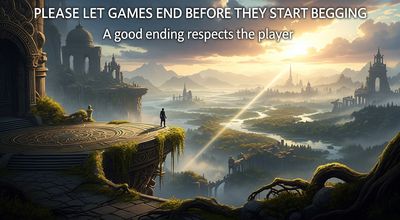
A good ending respects the player. Not every game needs a forever grind, a weekly checklist, or an endgame treadmill wearing a fake mustache.
A focused six-hour game can feel more generous than a giant map packed with chores. Time is part of value now, whether publishers want to admit it or not.
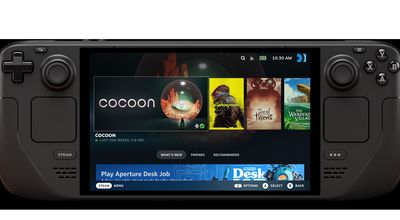
A good launcher should feel like plumbing: invisible until you need it. Steam earned trust by getting close. Too many rivals still confuse platform strategy with interruption.

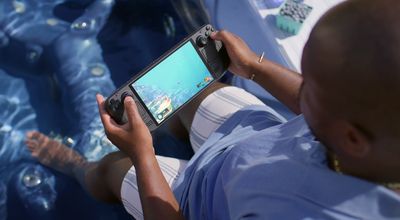
Microsoft is turning Xbox Mode into a controller-first Windows gaming layer. That is good news for handheld players, as long as desktop users can keep the mouse, keyboard, and beautiful mess they already like.
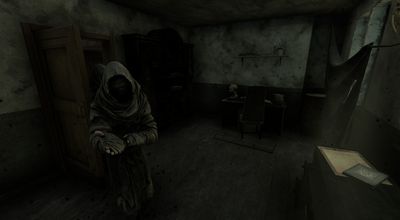
Cult classics endure because they had a point of view. Games need polish, yes, but the medium gets dull when every rough edge is sanded flat before it can mean anything.

Game subscriptions are fantastic for discovery. They also teach us to treat games like a buffet, which quietly changes how we judge value, patience, and risk.
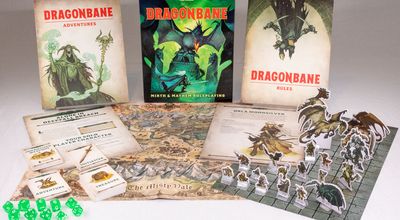
Free League's Dragonbane keeps fantasy adventure dangerous and weird without asking the GM to carry a backpack full of prep.