Valve’s Steam Machine Is Quietly Picking a Console Fight
Valve is calling the new Steam Machine a compact SteamOS PC, but its real target is obvious: the living room where consoles have always owned convenience.
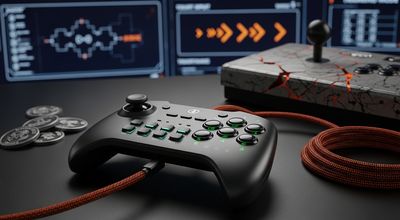
Leverless fight sticks are no longer weird tournament contraband. They are becoming the fighting game scene’s most interesting hardware shift — powerful, approachable, and absolutely not magic.
Players are making Valve’s controller sing through its haptics, and yes, it is ridiculous. It is also exactly the kind of harmless hardware witchcraft PC gaming does best.
The Steam Deck did not win hearts by being the fastest handheld PC. It won by feeling like a real gaming machine, and too many rivals are still confusing bigger spec sheets with better play.
Warhorse Studios is making an open-world Middle-earth RPG, and the best version of it might not start with a chosen one, a glowing sword, or another sprint toward Mount Doom. It might start with mud on your boots.
The Polish indie RPG is aiming straight at Gothic’s sacred ground: living worlds, hard choices, and hostile progression. The question is whether simulation can beat spectacle.
The PiBrick and the wider DIY handheld scene prove that retro gaming’s healthiest future may not be another sealed plastic console, but a custom Linux machine you can actually open, repair, and understand.
We buy cozy farming sims to escape modern capitalism, only to build five-page Excel sheets tracking digital cabbage profit margins. Send help.
Forget the old myths. Gaming on Linux in 2025 is simple, powerful, and incredibly fun. Thanks to Steam's Proton, thousands of games run flawlessly, and the success of the Steam Deck proves that Linux is a first-class gaming platform. Learn why it's time to make the switch.
We take a retrospective look at gaming's most infamous launches, from Cyberpunk 2077 to Anthem. We analyze what went wrong and how the open-source community and Linux gamers often found their own solutions to these digital disasters.
The life sim genre, long dominated by The Sims, is facing a major shakeup in 2025. We break down the three main contenders: the hyper-realistic InZOI, the indie builder's dream Paralives, and The Sims' own multiplayer evolution, 'Project Rene,' to see which will capture the hearts and wallets.
From the "Stop Killing Games" initiative gaining political traction to players mass-refunding games in protest, we investigate the new ways communities are holding developers and publishers accountable.