I have started judging some games by a very unromantic question: will this still love me back when I am tired on a Tuesday night?
That sounds harsh, I know. Games are supposed to be escapes, not calendar appointments. But somewhere between the map covered in icons, the upgrade tree with fifteen currencies, and the side quest that sends me back across three loading screens to collect wolf elbows, I can feel the cockpit lights dim. The game may be enormous. My evening is not.
That is why short games feel more valuable than ever. Not smaller. Not lesser. Valuable. A focused game that knows what it wants to do and leaves before the magic wears thin can respect adult players in a way a hundred-hour checklist often does not.
The best short games trust their own shape
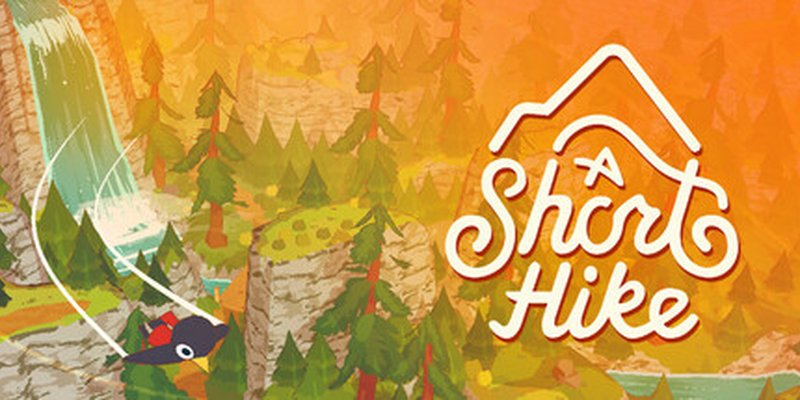
A Short Hike is the cleanest example I keep returning to. It gives you a mountain, a little island, a few odd neighbors, and enough room to wander without turning exploration into labor. You can finish it quickly, but it does not feel thin. It feels complete, like a warm cup of tea in game form, which is not a sentence I expected to write as a grizzled space-dad type who usually wants engines, shields, and a questionable amount of asteroid mining.
Portal works for the same reason. It has one central idea, builds jokes and puzzles around it, then gets out. Inside does not need a lore codex the size of a moon base. Journey says more with a scarf, a mountain, and another player silently walking beside you than some games manage with ten hours of voiced exposition.
None of those games feel like appetizers. They feel edited. That matters.
Time is part of the design
Players talk about backlogs like they are cute little piles of shame, but there is something exhausting underneath the joke. We buy games because we want experiences, then watch them stack up like unread messages from old friends. A shorter game lowers the pressure. It says, come in, see what I made, and leave with a real memory before Sunday disappears.
That is not just convenient. It changes how a game feels in your hands. When I know a game has a clear route through it, I am more likely to experiment, read the little bits of dialogue, poke around the edges, and breathe. When I suspect the campaign is going to ask for the same commitment as a second job, I start playing defensively. I skip things. I hoard items. I turn into a tired logistics officer, and nobody buys a game hoping to become the quartermaster of their own disappointment.
Bigger can still be beautiful
The fair counterpoint is obvious: scope is not the enemy. Some of my favorite gaming memories live in long games. A sprawling RPG can give a world time to settle into your bones. A strategy campaign can become a personal war diary. A live-service game can turn into a regular meeting place for friends who would otherwise drift into separate orbits.
Length can create intimacy. It can give systems room to breathe. It can make a final farewell hurt because you really did live there for a while.
The problem is empty scope. It is the bloat that mistakes travel time for adventure, repetition for mastery, and a larger number of activities for a better game. A world does not become richer because every hill has a collectible on it. Sometimes it just becomes louder.
The six-hour game is a promise
A good short game makes a promise it can keep. It does not need to become your lifestyle. It does not ask you to remember seventeen mechanics after a week away. It can be played in a few evenings, talked about with a friend, and carried around in the back of your head afterward.
There is a special kind of generosity in that. The developer had the discipline to stop. The player gets to leave while they still want more. Everybody makes it home before the oxygen gauge starts blinking.
I still love a grand voyage. Give me the galaxy map, the creaking starship, the base I definitely overdecorated, and I will be there with snacks. But right now, the games I trust most are often the ones with the cleanest flight plan. They know the destination. They know the fuel budget. They respect that the pilot has work in the morning.