I used to measure a game's value by how long it could keep me trapped inside it. That sounds ridiculous now, but it was the old bargain: bigger box, bigger world, bigger number on the back of the case. If a game promised 80 hours, teenage me heard "smart purchase." Adult me hears "threat."
That is why short games feel almost luxurious now. Not small. Not lesser. Luxurious. A game that knows what it wants to do, does it, and then lets you leave with your evening intact has become weirdly precious.
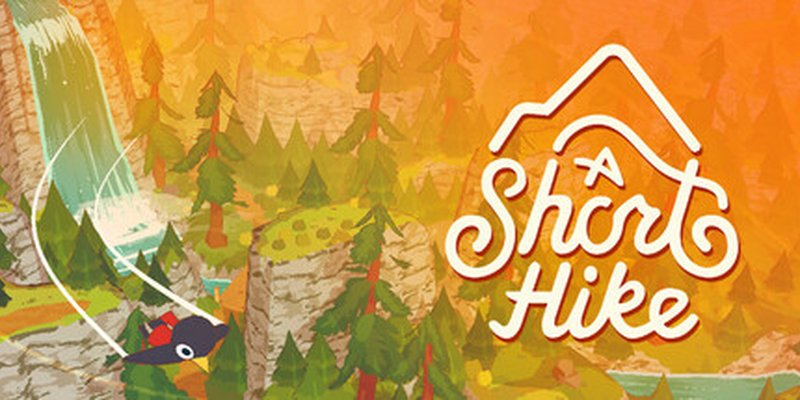
A Short Hike is the easy example because it understands this better than almost anything. It gives you an island, a climb, some tiny errands, a few jokes, and a mood that sticks longer than the runtime. It does not need a crafting tree stapled to its ribs. It does not need a weekly challenge track. It trusts the player to have one good afternoon and remember it.
Time is not free anymore
The older I get, the more I resent filler dressed up as value. I am not talking about long games as a category. I love a huge RPG when the world has enough texture to justify the suitcase it asks me to pack. Baldur's Gate 3 can eat weeks because the hours are dense with decisions, mistakes, jokes, and strange little consequences. Elden Ring earns its sprawl because curiosity keeps paying out.
The problem is the other kind of bigness: the map that looks impressive from orbit and tired up close. Camps to clear. Materials to hoover. Icons waiting politely for the player to stop having a life. That stuff can be soothing in the right mood, but it can also turn play into maintenance. At some point I am not adventuring. I am emptying a digital inbox.
Short games sidestep that trap by making every hour argue for itself. Portal is funny, clean, and gone before the premise curdles. Journey has the confidence to be brief because its best trick is emotional, not mechanical. Cocoon keeps folding new ideas into itself without trying to become someone's forever game. None of these feel thin. They feel edited.
Edited games hit harder
There is a specific pleasure in finishing a game and feeling like nothing was wasted. No padded middle. No late-game slump where the same enemy gets a larger health bar and a worse attitude. Just a shape you can hold in your head.
That shape matters. A shorter game can be replayed, recommended, and remembered more easily. It can fit into the weird gaps real life leaves behind: a rainy weekend, a quiet night after work, the week where your brain refuses anything with twelve currencies and a tutorial codex. Short games are kind to tired players. That sounds soft, but it is design. Respecting attention is design.
They also make the backlog less absurd. Most players I know own more games than they can reasonably finish unless medical science invents a second childhood. A compact game does not arrive as another obligation. It feels possible. That alone changes the relationship. You are not bracing for a project. You are making a plan.
Scope is not the enemy
The fair counterpoint is obvious: some games need room. Reducing everything to tidy little six-hour packages would flatten the medium in a different direction. There are stories that need wandering, systems that need time to breathe, and worlds that only become special after you have lived in them for a while. A great long game can feel like a place, not a product.
Also, plenty of short games are slight. Brevity does not magically create taste. A two-hour game can waste your time just as efficiently as a 70-hour one if it has nothing to say and no feel in the hands. Short is not a virtue by itself.
But focus is. That is the bit worth defending. If a game is long because it has a lot of life in it, wonderful. If it is long because the content spreadsheet needed more rows, players can feel the seams. We have all felt them. That dull little moment when exploration becomes checklist behavior is not mystery. It is labor wearing a fantasy hat.
Let games end
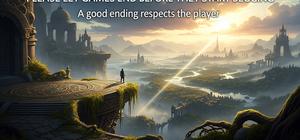
I want more games that are brave enough to finish. Not every idea needs a content roadmap. Not every world needs to become a hobby. Sometimes the most generous thing a game can do is give us a complete thought and then roll credits before affection turns into fatigue.
There is something almost old-fashioned about that now. You sit down, you play, you reach the end, and the game leaves a mark instead of a schedule. Maybe that is why short games feel more valuable than ever. They do not just respect our money. They respect the one thing even the best sale cannot give back.