I like game subscriptions most when they make me braver. I hate them most when they make me impatient.
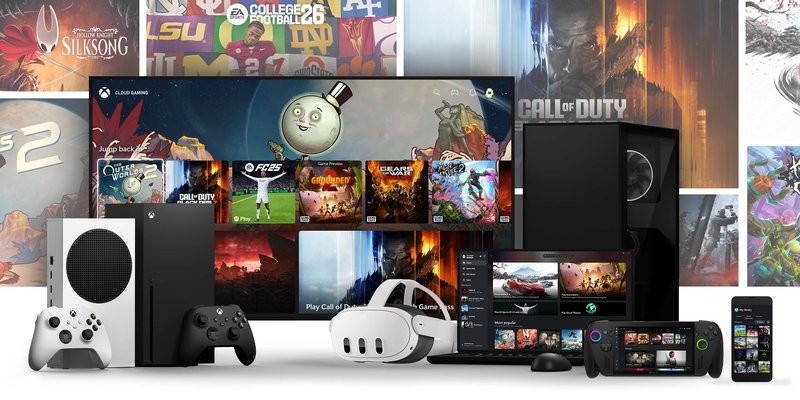
That is the awkward bargain sitting underneath Xbox Game Pass, PlayStation Plus Extra, Ubisoft+, EA Play, and the rest of the monthly buffet model. The pitch is clean: pay once, browse a catalog, try more games, waste less money on a bad full-price bet. For players with limited cash, that can be a genuine relief. For smaller games, it can put a weird little gem in front of people who would never have gambled on it at checkout.
But the same model also changes the mood in the room. When a game arrives as one tile in a giant carousel, it has to prove itself faster. Not in ten hours. Not after the systems open up. Now. Before the thumb moves to the next tile.
The buffet problem
Buying a game gives it a certain weight. That does not mean every purchase deserves blind loyalty. Plenty of sixty-dollar games have earned a refund tab before the tutorial ended. Still, paying directly creates a tiny bit of commitment. You chose that game. You read about it, watched a trailer, maybe waited for a sale, then made the call.
A subscription lowers that friction, which is mostly good. The problem is what happens after the friction disappears. A game stops feeling like a purchase and starts feeling like inventory. If the first thirty minutes drag, there are two hundred other boxes waiting. If the combat takes time to click, no big deal. If the opening is quiet, maybe something louder is already installed.
That makes players more adventurous, but also less patient. I have bounced off good games this way. Not bad games. Good ones. The sort that ask for a little trust before they show their best hand. A subscription library can make that trust feel expensive even when the game itself feels free.
Value is getting weird
The old value argument was crude, but at least it was easy to understand. How much did I pay, and how much did I get out of it? That thinking already had problems because it rewarded bloat. A tight six-hour game could look worse on paper than a forty-hour checklist with five good ideas stretched thin.
Subscriptions twist the math again. Players start asking a different question: is this worth my time compared with everything else in the catalog? That is a harsher test. It puts a tiny indie puzzle game, a giant RPG, a live-service shooter, and a nostalgia remaster in the same waiting room, all fighting for the same free evening.
This is where the model gets quietly unfair. Some games are built for instant readability. They look good in a thumbnail. They explain themselves in one sentence. They deliver a dopamine snack before the kettle boils. Other games need texture, patience, or a bit of boredom before they work. Those games are not worse. They are just worse at auditioning.
The counterpoint matters
I do not want to pretend subscriptions are some villain creeping through the vents. For a lot of players, they are the reason the hobby feels affordable at all. If you have kids, rent, a busted controller, and three games you regret buying last year, a catalog makes sense. It lets you sample without turning every choice into a financial coin toss.
Developers can benefit too, at least in the right deal. A subscription launch can bring attention to a game that would have been buried under bigger marketing budgets. Word of mouth is easier when the answer to "should I try it?" is "you already can." That matters. Discovery on modern storefronts is a swamp, and subscriptions sometimes throw smaller games a rope.
So no, the answer is not "subscriptions bad, boxed games good." That is lazy nostalgia wearing a varsity jacket. The better question is what habits the model trains in us.
We should notice the habit forming
The habit is simple: sample, judge, discard. Sometimes that is healthy. A mediocre game does not deserve your whole weekend just because it exists. But when every game becomes disposable by default, we lose something. We stop meeting games on their own terms. We start treating them like background options in a hotel TV menu.
Publishers notice this too. If the subscription window rewards quick hooks and constant engagement, more games will be shaped around quick hooks and constant engagement. That does not mean every catalog game becomes a live-service chore factory overnight. It does mean the business model has gravity. Games bend toward the places where money and attention gather.
Players are not powerless here. We can still choose deliberately inside the buffet. We can install fewer games at once. We can give a strange game one proper evening instead of six distracted minutes. We can buy the ones we love, especially when they are from studios that need more than a completion percentage in a platform report.
Game subscriptions are not ruining value. They are redefining it in real time. The best version of the model makes us curious. The worst version makes us restless. I want the curiosity without the twitchy little voice that says every slow opening is wasting my subscription.
That voice is usually wrong. Sometimes the good part starts after you stop browsing.