Helldivers 2 has never lacked noise. Drop pods slam down, stratagems turn hillsides into soup, somebody always throws the 500kg beacon a little too close, and everyone pretends it was tactical. The weaker part has been the layer above all that chaos: why this planet, why this push, why this week?
Arrowhead's next big Galactic War idea, Planet Warfronts, sounds like an answer to that problem. According to reports from Rock Paper Shotgun and Polygon on Arrowhead's latest developer update, the studio had experimented with dynamic planet-level warfronts before launch, then shelved the system because it did not have enough content to support it properly. Now Arrowhead says Helldivers 2 has enough pieces on the board to start building toward it.
That is the right order of operations. A roguelite-style war layer only works if the missions beneath it can carry the repetition. Otherwise you are just dressing up the same errands with louder menu text, which would be very democratic and also a bit exhausting.
What Planet Warfronts are supposed to change
The short version: Planet Warfronts would make individual planets feel less like single progress bars and more like active battle spaces with different fronts, mission roles, and strategic targets.
Rock Paper Shotgun's report says Arrowhead is looking at mission categories such as defensive operations in liberated territory, frontline skirmishes, and behind-the-lines operations in enemy territory. The same outline mentions strategic locations, including cities, enemy variants tied to those locations, timed liberation goals, specific high-value targets, and "crucial operations" that can open up as the fight develops.
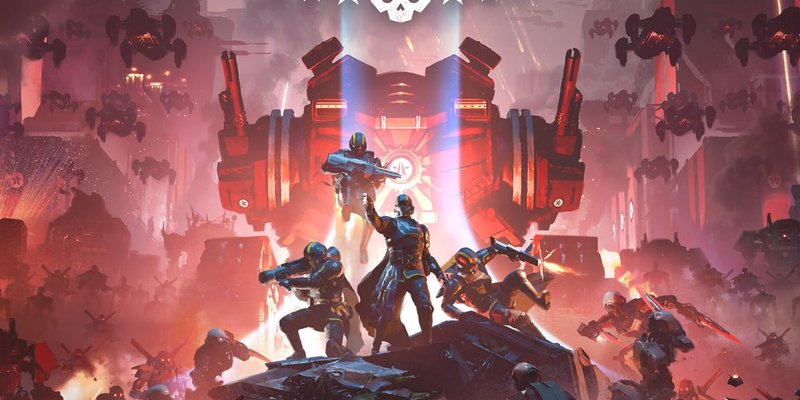
If you have bounced off recent Major Orders, the appeal is obvious. The current Galactic War can be fun when the community rallies around a clear objective, but plenty of nights still boil down to picking a planet because the percentage number looks useful. Planet Warfronts could give squads better texture: defend this area, push that front, risk a tougher operation behind enemy lines because the payoff matters.
That matters more than it sounds. Helldivers 2 is at its best when players feel like tiny idiots inside a machine much bigger than them. The comedy lands harder when the war map makes you believe, even briefly, that your messy 40-minute mission moved something.
Campaigns come first
Planet Warfronts are not the next thing players should expect to boot up tomorrow. Arrowhead is first moving toward Galactic War Campaigns, which are planned to replace the current Major Order structure. Reports describe these campaigns as longer themed pushes that run roughly one to three weeks, with more room for story beats and rewards than the usual short objective cycle.
That sequencing makes sense. Campaigns can teach players to think in longer arcs before Planet Warfronts ask them to care about more detailed planet-level choices. If Arrowhead jumps straight from simple global orders to a busier tactical map, the result could be noise. Helldivers 2 already has enough noise. Most of it is screaming and orbital fire.
Personal progression is also part of the broader rework. The current individual order system is expected to become Personal Campaign Progression later this year, giving players personal rewards tied to the larger campaign structure. That could be important for morale. It is easier to keep playing during a losing community push if your own squad still has a visible reason to finish operations cleanly.
The veteran-player problem
Helldivers 2's early magic came from discovery. New enemy types, new stratagem mishaps, first-time extraction disasters, the whole glorious nonsense machine. Once you know the rhythm, the game needs stronger reasons to keep the ritual alive.
Planet Warfronts could help because they attack the right boredom. They do not need to make every mission wildly different. They need to make the choice of mission feel less interchangeable. A defensive operation should feel different from a sabotage run behind enemy lines before anyone fires a shot. A city under threat should change how players talk about the planet. Enemy variants should push loadouts without making the game feel like homework.
There is a trap here, though. If Warfronts turn into another stack of currencies, modifiers, and reward ladders, the idea loses its teeth. Helldivers 2 works because it is readable under pressure: pick gear, drop in, solve the disaster, accidentally create two more disasters, extract if the Pelican gods allow it. The campaign layer has to sharpen that loop, not bury it under a strategy board that only the most devoted Discord generals understand.
Why this is worth watching
The encouraging bit is that Arrowhead apparently waited. The studio says it had the Warfronts idea before launch but did not think the game had enough content to make it work. That restraint is rare in live service games, where half-baked systems often arrive early because a roadmap needed a box ticked.
Now the question is execution. Longer campaigns, personal campaign progress, ship and module changes, and Planet Warfronts all point in the same direction: Helldivers 2 wants its war to feel less like a rotating chore board and more like a campaign players can actually remember.
If Arrowhead gets it right, the best reason to log in will not be fear of missing the latest order. It will be curiosity. Which front moved overnight? Which planet got worse while you were sleeping? Which terrible decision did the community make this time?
That is a much better hook for Helldivers 2 than another percentage bar crawling upward while everyone argues about supply lines. Managed Democracy deserves at least one interesting clipboard.