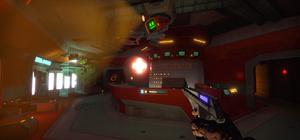
Bounce 2 arrives with the kind of backstory that makes you squint at the screen. Its Steam page presents it as the follow-up to a 1983 Atari 2600 game, a supposed PONG killer swallowed by the video game crash. Rock Paper Shotgun went looking for that lineage and, fairly, came away unconvinced.
That could have been the whole gag: another retro-flavored Steam oddity wrapped in invented cartridge dust. The better twist is that Bounce 2 looks more interesting once you stop treating the origin story as homework and start looking at the thing players can actually buy.

The confirmed part is simple. Bounce 2 is out now on Steam from Digital Joy Games and Digital Joy. The store page lists it for Windows, macOS, and Linux, with local play for up to four players, online PvP, Steam Remote Play Together, controller support, leaderboards, achievements, and a launch discount running through June 18. Steam Deck compatibility is still marked unknown, which is worth noting before anyone buys it purely for handheld couch-war purposes.
The pitch is PONG with elbows
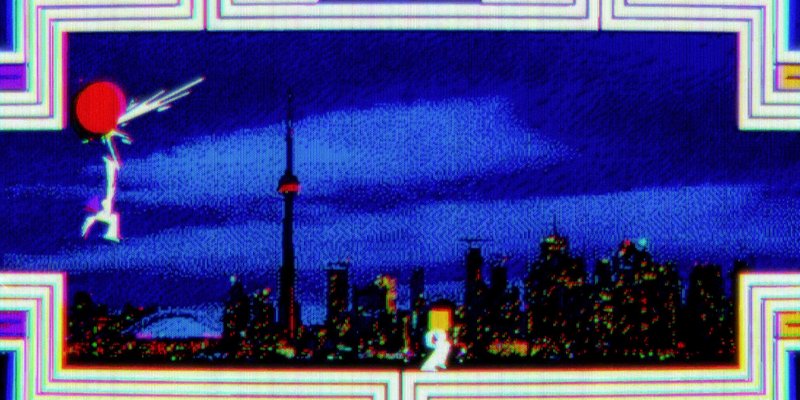
The game itself is not just two paddles politely batting a square back and forth. Players control little humanoid figures who can jump, kick, dash, swing their arms, and generally turn a clean arcade premise into a messy contact sport. RPS notes that players have health, and when that health hits zero they can keep defending as a head. That is either elegant game design or a cry for help. Possibly both.
On paper, that gives Bounce 2 a sharper hook than the fake-lost-classic fog around it. The appeal is not preservation. It is the promise of a party game where the screen stays readable, the rules are obvious in five seconds, and the actual skill ceiling comes from timing, angles, and bullying your friends with tiny flailing limbs.
Steam's mode list backs that up. Classic Mode drops the normal score counter and uses a slider at the top of the screen, so every goal pushes momentum toward the other side. Brick Mode turns each side into a wall-breaking race with 2.5-minute rounds. Party Mode randomizes modified rounds after each goal, with the store page name-checking Mario Party and WarioWare as reference points. Those are dangerous names to invoke, but at least they make the intent clear: this wants to be a couch-night argument machine.
The CRT stuff is not just decoration
The most charming detail is how seriously Bounce 2 takes its old-TV cosplay. The Steam page mentions a CRT TV shader and calibration options for position and scale, plus phase and chroma settings. That is wildly specific for a small sports brawler, and it tells you who this is for: players who still get a tiny dopamine hit from scanlines, soft edges, and games that look like they were smuggled out of a garage in 1984.
There is a practical reason too. If someone is actually sending the game through analog gear, HDMI adapters, or a weird living-room setup, the ability to fix cut-off or squashed output matters. Most modern retro-styled games stop at visual nostalgia. Bounce 2 seems weirdly committed to making the bit usable.
So, is the backstory a problem?
Only if the game leans on it too hard. The store description talks confidently about the original Bounce, the crash, and unfinished business, while RPS could not verify the Atari 2600 legend behind it. That does not automatically make the whole thing sinister. Games have used fake manuals, fake arcade histories, and fictional retro brands for decades. The issue is clarity. If it is a bit, own the bit. If it is real, show the receipts.
For players, the safer way to read Bounce 2 is as a new indie sports brawler using retro myth as flavor. The Steam demo is the useful test, not the archaeology. If the movement feels good, if the ball physics create funny accidents without turning every match into sludge, and if online play holds up, then the mysterious 1983 ancestor becomes a footnote.
I like the nerve of it, honestly. A four-player PONG brawler with CRT calibration is already specific enough to survive without pretending to be sacred lost history. The marketing fog got people to look. Now it has to prove the matches stay funny after the novelty wears off and the first friend gets reduced to a defensive floating head.