Fable has never really been about being the biggest fantasy RPG in the room. It is about kicking a chicken, buying the pub, becoming a beloved local menace, then watching Albion somehow remember enough of it to make the joke land.
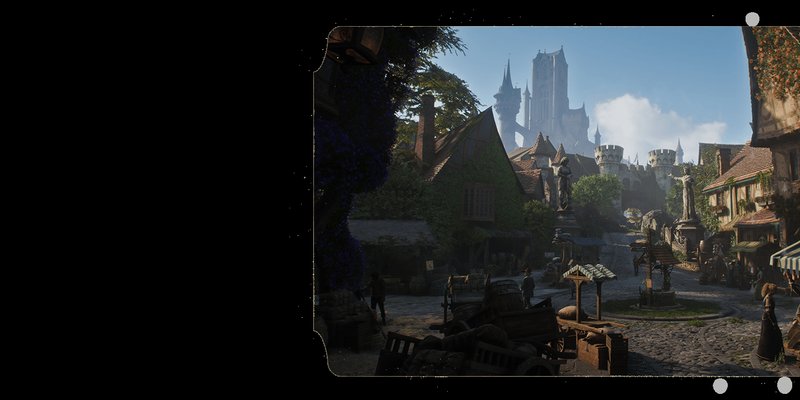
That is why Playground Games' new Living Population deep dive matters more than another sweep over pretty forests. The studio says the reboot has more than 1,000 NPCs, and the pitch is not that they wander around like animated furniture. They have names, homes, jobs, schedules, traits, voices and opinions about what you have been doing in their town.

The important part is the verbs. You can befriend people, annoy them, romance them, hire them, fire them, buy the house they live in, raise the rent, lower their wages, get rejected by them, or make them hate you because you murdered someone they cared about. That sounds very stupid in exactly the right way. Fable is at its best when the heroic quest and the village gossip machine are fighting over the same brain cell.
Xbox's article says the Living Population grew out of Playground asking what made the old games fun. The answer was not a morality meter by itself. It was the feeling that Albion's residents were playable toys with feelings attached. Playground says it tried procedural generation early on, then moved away from it because the results felt random. Instead, the studio says each NPC is hand-authored, built from modular visual pieces, assigned a life, and fully voiced. Around 100 actors were cast for this population alone.
That hand-built claim is worth underlining, because it keeps expectations in check. This is not a promise that every villager is an infinite little AI person secretly living a complete second life in your console. It sounds closer to a dense authored simulation, where traits, reputations and schedules combine in ways players can read and prod. Honestly, that is probably healthier. Fable needs coherent chaos, not a thousand chatbots pretending to run a dairy.
The settlement reputation system looks like the bit players will actually feel. NPCs can like, dislike, fear or fancy you, and the social panel explains why. A town can track multiple reputations at once, so one bad nickname does not have to define you forever. Xbox's example is pure series DNA: being mocked as a chicken chaser may matter less once everyone also knows you are rich. It is dumb, legible and immediately player-facing.
The property and work systems could be even nastier. Buy a shop and you may need employees who are willing to work for you. Set wages too low and a tenant may not afford rent. Own someone's house and you can become their landlord, move in yourself, pay them to leave, or presumably make your reputation radioactive in one afternoon. This is where Fable can separate itself from cleaner open-world RPGs. Most games let you save a village. Fable should let you save the village, buy the village, accidentally ruin the village economy, then get booed by the town crier.
There is a romance angle too, and not just the old routine of spamming gifts until the game gives up. Secondary reports from the Summer Game Fest demo describe NPCs with preferences that cut across simple good and evil labels. One person may want a kind partner. Another may be into someone ruthless, wealthy, fashionable, or all three. If Playground can make those preferences readable without turning courtship into a spreadsheet, Albion might regain some of that old social bite.
The caveat is scale. More than 1,000 voiced NPCs sounds impressive, but Fable will live or die on how quickly players start seeing the seams. If villagers repeat the same reaction too often, the magic goes flat. If jobs, rent and romance become menu chores, the system becomes busywork wearing a funny hat. The old games were clumsy, but they were clumsy with timing. You remembered the weird interaction, not the database behind it.
Playground at least seems to know where the pressure is. The studio calls the system an "interactive people toybox," which is a phrase I would normally bully, except it fits Fable. The reboot does not need to out-grim The Witcher or out-sprawl Elder Scrolls. It needs Albion to feel like a place where small decisions snowball into embarrassing local folklore.
Fable is currently set for February 23, 2027, with Premium Edition early access beginning February 18. Xbox lists it for Xbox Series X|S, Xbox on PC, cloud, Game Pass and Xbox Play Anywhere. Steam is also listed on the official Xbox game page, while recent showcase coverage points to a PlayStation 5 release as well. Until the next playable showing, the honest read is simple: the Living Population is the reboot's best idea so far, but it has to be funny under player pressure. A thousand NPCs are only worth it if at least one of them remembers you were a disaster.