Xbox might be heading for another corporate reshuffle. Fine. Players have heard that song before.
The useful part of the latest report is not the boardroom vocabulary. According to The Information, with details also covered by GameSpot and Reuters, Microsoft has considered options that could change how Xbox sits inside the company, including a spin-off or running it as a wholly owned subsidiary. The same report says Microsoft wants to put more money behind Halo, The Elder Scrolls, and Fallout so those series can move faster.
That last bit is what fans will actually notice, if it turns into real shipped games. Xbox has spent years telling players that the first-party machine is about to click into place. Sometimes it does. Sometimes it feels like the machine is still looking for the correct Allen key.
The waiting is the problem
Halo, Elder Scrolls, and Fallout are not small side bets. They are the names Xbox points to when it wants to remind people why the ecosystem still matters. The trouble is that players have been waiting a long time for some of those promises to turn into something playable.
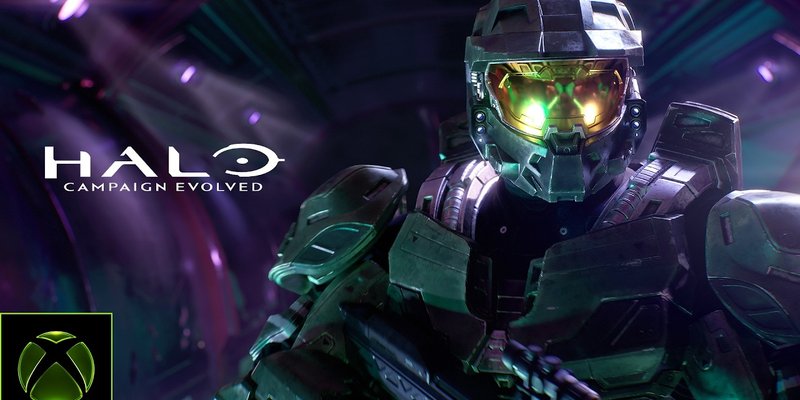
Halo: Campaign Evolved is the closest concrete example in the report's orbit. Xbox Wire's showcase recap says it launches July 28, 2026 for Xbox Series X|S, Xbox on PC, cloud, Game Pass, and Xbox Play Anywhere, with pre-orders also available on PlayStation. That alone tells you how strange Xbox's current strategy can feel: Halo is both a platform pillar and, at least for this release, a game that PlayStation owners can buy.
The Elder Scrolls VI is the bigger patience test. Bethesda announced it years ago, then mostly went quiet because Starfield and other projects had to move first. Fallout is in an even weirder place. The series had a huge mainstream boost from the TV adaptation, but Fallout 5 still looks like a distant thing rather than a game players can circle on a calendar.
Faster cannot mean sloppier
There is a version of this report that sounds good for players. More focused teams. Less internal fog. Fewer decade-long waits between franchise entries. If that is what Microsoft means by speeding up Halo, Elder Scrolls, and Fallout, great. Nobody is going to complain because a beloved series gets the resources it needs.
But faster development is not automatically better development. Fallout and Elder Scrolls live or die on scale, quest density, systems, and the simple pleasure of wandering into trouble you were not looking for. Halo needs tighter combat identity, not just more content to keep a calendar warm. If Xbox turns "move faster" into "ship whatever clears the quarterly target," players will smell it immediately.
That is why the reported restructuring matters less than the production culture behind it. A spin-off, subsidiary model, or internal reorg is invisible to the person holding the controller. What players feel is whether a game arrives polished, whether the platform messaging makes sense, and whether Xbox stops changing its mind every other showcase about what counts as exclusive.
The exclusivity question is still messy
GameSpot's summary of the report points to another awkward thread: Microsoft may be putting more weight back on console exclusives. Xbox Wire has already said Gears of War: E-Day and Clockwork Revolution are Xbox console exclusives, not timed exclusives, while also saying games already announced for multiplatform release will keep those plans.
That is clearer than some of Xbox's recent messaging, but it still leaves players with a lot to parse. Halo arriving on PlayStation while Gears does not is the kind of distinction that makes sense in a strategy deck and makes normal people ask, "So what is Xbox now?"
Maybe the answer is simple: Xbox wants to sell games wherever it makes sense while keeping selected releases as reasons to own its hardware, subscribe to Game Pass, or stay inside the broader Xbox account system. That can work. It just needs consistency. If every major release becomes a guessing game, the conversation around Xbox stays stuck on platform politics instead of the games themselves.
What players should watch
The next useful signals are boring ones: confirmed release windows, gameplay deep dives, studio updates, and platform lists that do not require legal decoding. Halo: Campaign Evolved will be the immediate test because it is close, public, and tangled up in the multiplatform question. The Elder Scrolls VI and Fallout 5 are longer-term tests of whether extra investment can shorten the wait without sanding off what makes those worlds work.
For now, treat the restructuring talk as reported, not settled. The player-facing question is much easier to judge. If Xbox comes out of this with clearer releases, stronger first-party production, and fewer mixed signals, people will notice. If it comes out with another round of executive language and the same long silences, nobody will care what shape the org chart took.