Seeing Double Fine, Ninja Theory, and Compulsion Games named in closure reports feels grim in a very specific way. These are not anonymous support teams in the back of a spreadsheet. They are the studios behind Psychonauts 2, Hellblade, South of Midnight, Brutal Legend, We Happy Few, and the kind of first-party oddities Xbox used to point at when it wanted to look less like a sequel factory.
According to reports covered by GameSpot and Engadget, citing Bloomberg and The Verge, several Xbox Game Studios teams are trying to negotiate a way out of Microsoft rather than be shut down. The names in the reports include Double Fine, Ninja Theory, Compulsion Games, and "several other studios." The possible exits sound messy: buyouts, new financial backers, or some form of spin-off that lets the teams continue outside Xbox.
None of this is settled in public. Microsoft has not turned it into a clean announcement, and the studios have not all posted neat little statements telling fans what comes next. So treat the details as reported, not confirmed fact. That caution matters, because there is a huge difference between "at risk," "negotiating," and "closed." People online love skipping straight to the obituary. The actual situation, at least from the reporting so far, is more unstable than final.
The names make this sting
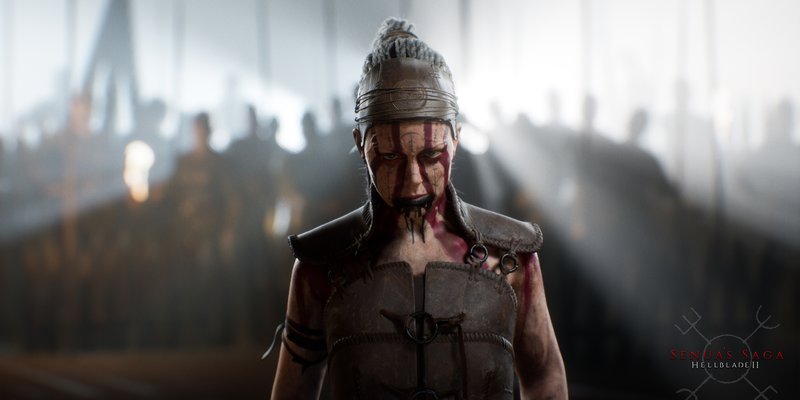
Ninja Theory is the sharpest case because the reporting around it sounds the most urgent. Engadget, citing The Verge, says Ninja Theory employees were told the studio would be closing, while the team is still trying to find a buyer that can keep it operating. That is a brutal sentence to read right after Xbox spent showcase time putting Senua back in front of players.
Ninja Theory was never just another studio acquisition logo. Hellblade: Senua's Sacrifice built its reputation on a strange, focused bet: a cinematic action game about psychosis, grief, violence, and sensory overload that did not feel designed by committee. Senua's Saga: Hellblade II kept that identity, for better and worse, as a short, expensive-looking, intensely authored thing. That sort of game is easy to praise in a showcase and apparently much harder to protect when margins start barking.
Double Fine carries a different kind of weight. Tim Schafer's studio has survived long enough to become almost mythological for a certain slice of players: funny, handcrafted, occasionally chaotic, rarely fashionable in the safest possible way. Psychonauts 2 was exactly the sort of game Xbox ownership was supposed to make possible. It was weird, generous, polished, and clearly made by people who had been thinking about those characters for years.
Compulsion Games sits in that same uncomfortable lane. South of Midnight did not feel like something built by market survey first and humans second. It had a Southern Gothic flavor, a stop-motion visual texture, and a voice that did not blend into the usual premium action-adventure fog. If Xbox loses or cuts teams like that, the damage is not just one less logo on the website. It is one less reason to believe big platform holders can house games that are not obvious billion-dollar brands.
Why players should care
The boring version of this story is corporate restructuring. The useful version is about variety.
Xbox spent years buying studios while selling players on a future where Game Pass would support a broader first-party slate. Blockbusters would still exist, sure, but so would smaller, stranger games that could breathe because they were not being asked to carry the whole business alone. That pitch was easy to like. A subscription library full of safe mega-franchises is useful. A subscription library where Psychonauts, Pentiment, Hi-Fi Rush, Hellblade, and South of Midnight can sit next to the big guns is much more interesting.
The problem is that the last few years have trained players to distrust the promise. Tango Gameworks made Hi-Fi Rush, one of Xbox's cleanest critical wins of the generation, and was still shut down before Krafton later revived it. Arkane Austin disappeared after Redfall. The Initiative's Perfect Dark reboot was cancelled. Now the studios reportedly fighting for air are exactly the ones that made Xbox's portfolio feel less sterile.
This is why the "find a buyer" part is both hopeful and depressing. Hopeful, because independence or a new owner could keep some teams alive. Depressing, because the best-case version may still mean layoffs, smaller scopes, lost projects, or years of instability. GameSpot's summary of the Bloomberg reporting notes that job losses may still happen even if spin-offs work. A studio surviving on paper does not automatically mean the people, culture, or games survive intact.
Do not turn this into console-war slop
The laziest read is that this is just another point for whatever plastic box somebody already likes. It is not. Studio closures are not a scoreboard. They are how the medium gets smaller while everyone pretends the next showcase trailer proves the machine is healthy.
Xbox deserves criticism here if the reports hold up, because Microsoft bought many of these teams during a spending spree and sold that consolidation as stability. Players were told that joining Xbox could give creative studios resources, time, and security. If those same studios are now trying to buy themselves back to avoid being closed, the sales pitch looks ugly in hindsight.
But there is still room for patience on the exact outcome. Until Microsoft, Double Fine, Ninja Theory, Compulsion, or the other affected teams confirm details, it is worth keeping the language precise. Reported talks are not final deals. Closure risk is not the same as a published closure notice. A buyer search can fail, but it can also produce a lifeline.
For players, the next things to watch are simple: official studio statements, whether any projects are cancelled or delayed, whether staff cuts are confirmed, and whether Xbox explains what kind of first-party slate it actually wants. If the answer is mostly mega-franchises, live services, and safe bets, then the old Game Pass dream gets a lot less charming.
I hope these teams find a way through, because gaming needs more studios that make odd decisions on purpose. If every unusual first-party game has to survive by escaping the company that bought it, something in the model is broken.