The worst version of remote tabletop play is not the video call. The call is fine. The curse is everything around it: one tab for the map, one for the character sheet, one PDF nobody can search fast enough, a dice bot sulking in Discord, and a GM trying to run combat like they are defusing a bomb with oven mitts on.
Foundry Virtual Tabletop exists for groups that are tired of that mess. It is a virtual tabletop for digital roleplaying games, with battle maps, character sheets, dice, journals, lighting, fog of war, audio, and mod support inside one campaign workspace. Players join through a browser link. The GM runs the server locally or pays a hosting partner to handle that part.
That last bit matters. Foundry is not built like a rented web lobby where the table disappears into someone else's service plan. The official FAQ describes the license as a one-time purchase, currently $50 before tax, and says only the host needs to buy it for the group. It also says future core software updates are free for license owners. For a GM running a long campaign, that changes the mood. Your world starts to feel like something you own, not a tab you borrowed for Thursday night.
What players actually notice
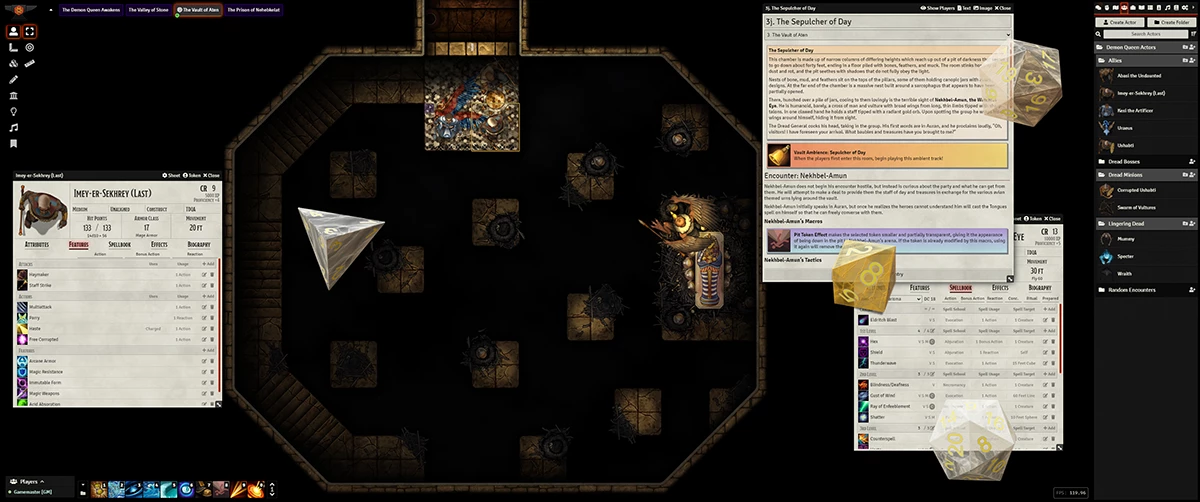
Players do not care that a VTT has an elegant backend. They care whether the goblin can be seen around the corner, whether the spell template lands on the right squares, and whether the rogue's sheet stops fighting them during the important bit. Foundry's pitch lands when a table is set up well: walls block vision, lighting sells the dungeon, tokens move cleanly, rolls land in chat, and journals keep handouts from vanishing into the group chat scrollback.
It is especially strong for tactical games. Dungeons & Dragons and Pathfinder groups can get a lot out of proper maps, measured movement, condition tracking, and compendiums. Other systems work too, but that is the first thing to check before buying anything: make sure the game system your group plays has solid Foundry support, current maintenance, and the sheet behavior you need.
The GM gets power, then inherits chores
Foundry is at its best when the GM enjoys building the table between sessions. Scenes can be prepped with walls, lights, sounds, journal pins, tiles, triggers, and modules that smooth out repeated tasks. A carefully built dungeon can feel less like a static image and more like a live board.
The tradeoff is obvious after one weekend with it: power needs maintenance. Modules can break after major updates. Game systems move at their own pace. Hosting can be easy or annoying depending on your network, your comfort level, and whether you punt to a paid host. Foundry's partnerships page openly points users toward managed hosting providers for people who do not want to deal with the technical setup, but those fees sit on top of the license.
None of that makes Foundry a bad choice. It just means the GM should not sell it to the group as "we click once and play forever." Better promise: "I can build us a really good table if everyone gives me a little setup patience." That is a fair bargain for a campaign that meets every week.
Why 2026 is a good time to look again
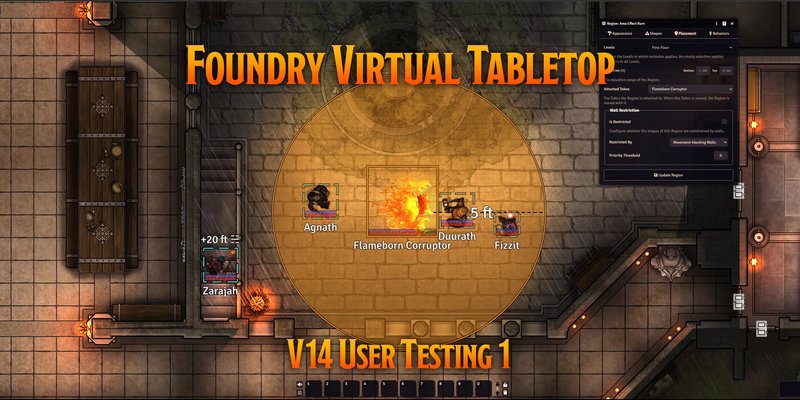
Foundry's 2026 Version 14 testing notes show where the platform is heading. The March 2026 V14 User Testing build is not recommended for live campaign sessions, and Foundry says users should test it separately and back up worlds first. Good. That warning belongs in bold red ink for any GM with a beloved campaign database.
The interesting part is the feature direction. V14 pushes Scene Levels for multi-level maps, pop-out applications in separate browser windows, a Placeables Palette, shared fog-of-war exploration, scene transitions, visual effects, and performance work. Foundry's own release notes mention preliminary gains between 3% and 25% for common operations, though that will vary by world, system, modules, and hardware.
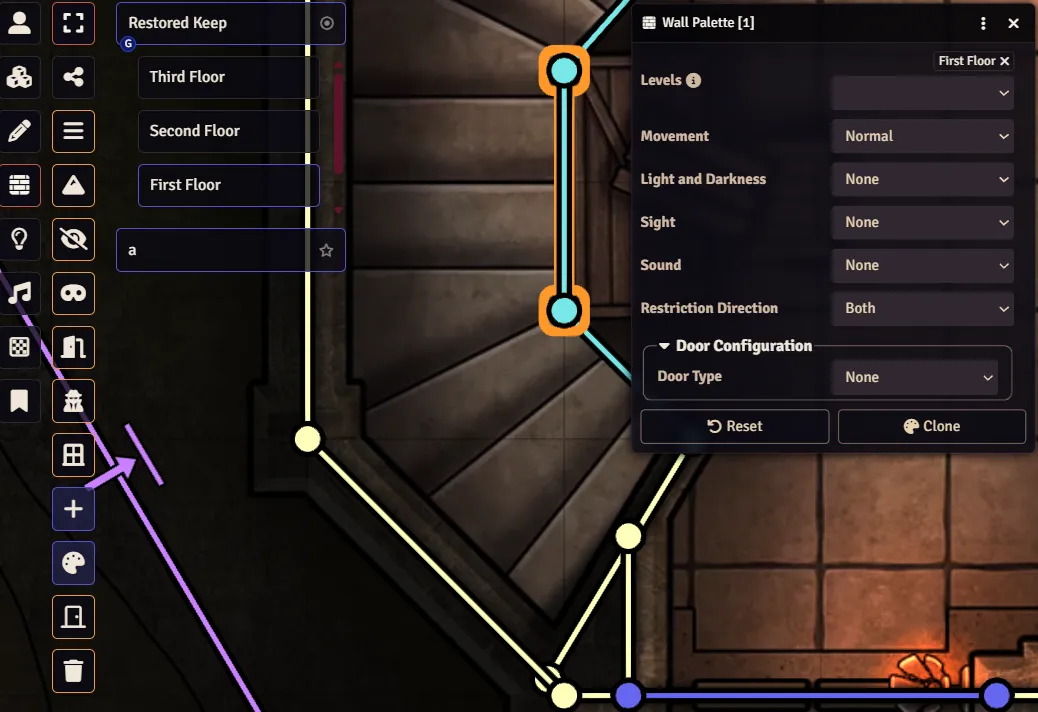
The headline feature for map-heavy tables is Scene Levels. Multi-level castles, bridges, balconies, dungeons, and vertical ambushes are exactly the scenarios that can turn a flat battlemap into a rules argument. If Foundry can make those setups less painful in stable releases, tactical groups win.
Who should try Foundry first
Foundry makes the most sense for GMs running long campaigns, tactical combat, homebrew-heavy worlds, or groups that want the tabletop to grow over time. It also fits players who like tinkering. If you are the person who installs UI mods before starting an RPG, you already know what kind of creature you are. Foundry will feed you.
It is less convincing for casual one-shots, tablet-first players, and groups that mostly do theater-of-the-mind sessions over voice chat. If you just need a blank grid, quick dice, and no onboarding, a lighter VTT may be kinder to everyone's evening.
Before you buy or build
Do a small audit before dragging the whole party across. Check whether your system is maintained. Decide whether the GM will self-host or use a hosting partner. Keep the first module list short, because installing twenty add-ons before session zero is how a table becomes a crime scene. Source maps legally. Test audio, sheets, vision, and permissions with one player before the real session. Tell the group what they need to install, which should usually be nothing beyond a browser, but do not discover browser trouble five minutes before initiative.
Foundry is not the easiest way to roll dice tonight. It is closer to a campaign workbench: heavier, stranger, and much more satisfying once the tools are where you want them. For some tables that is overkill. For the GM building a world the group plans to inhabit for months, it can be the difference between "remote play works" and "this feels like our table."