Signet City has the sort of premise that sounds like somebody lost a bet in the best possible way: you are a parasite, born in the brackish water of a dying coastal city, able to slip into human minds and push lives off course.
That would be enough for a weird trailer blurb. The more interesting part is who is making it. Signet City is the next game from Gareth Damian Martin and Jump Over the Age, the creator behind Citizen Sleeper and In Other Waters, with Fellow Traveller publishing. It was revealed during the PC Gaming Show, and it is currently announced for PC via Steam, GOG, and Humble Store. No release date has been announced.
The easy read is "Citizen Sleeper, but fungus." That undersells it. Citizen Sleeper turned dice rolls, clocks, scraps of labor, and fragile relationships into survival pressure. Signet City appears to move that same systems brain into first person, then asks a nastier question: what does choice feel like when you are not a hero with a quest log, but an organism moving through other people's lives?
A parasite is a sharper RPG hook than it first sounds
Fellow Traveller describes Signet City as a first-person fungalpunk narrative RPG set in a coastal city in decline, in a world where biological computers have outgrown silicon chips. The player can inhabit hosts, guide them, feed off their emotions and experiences, and influence conversations and decisions across the city.
That setup gives the game a built-in discomfort most RPGs have to fake. When a normal protagonist changes a town, the game usually frames it as agency. When a parasite does it, the same action gets messy. Are you helping someone survive a bad day, or steering them because their fear is useful? Are you uncovering a story, or growing through it?
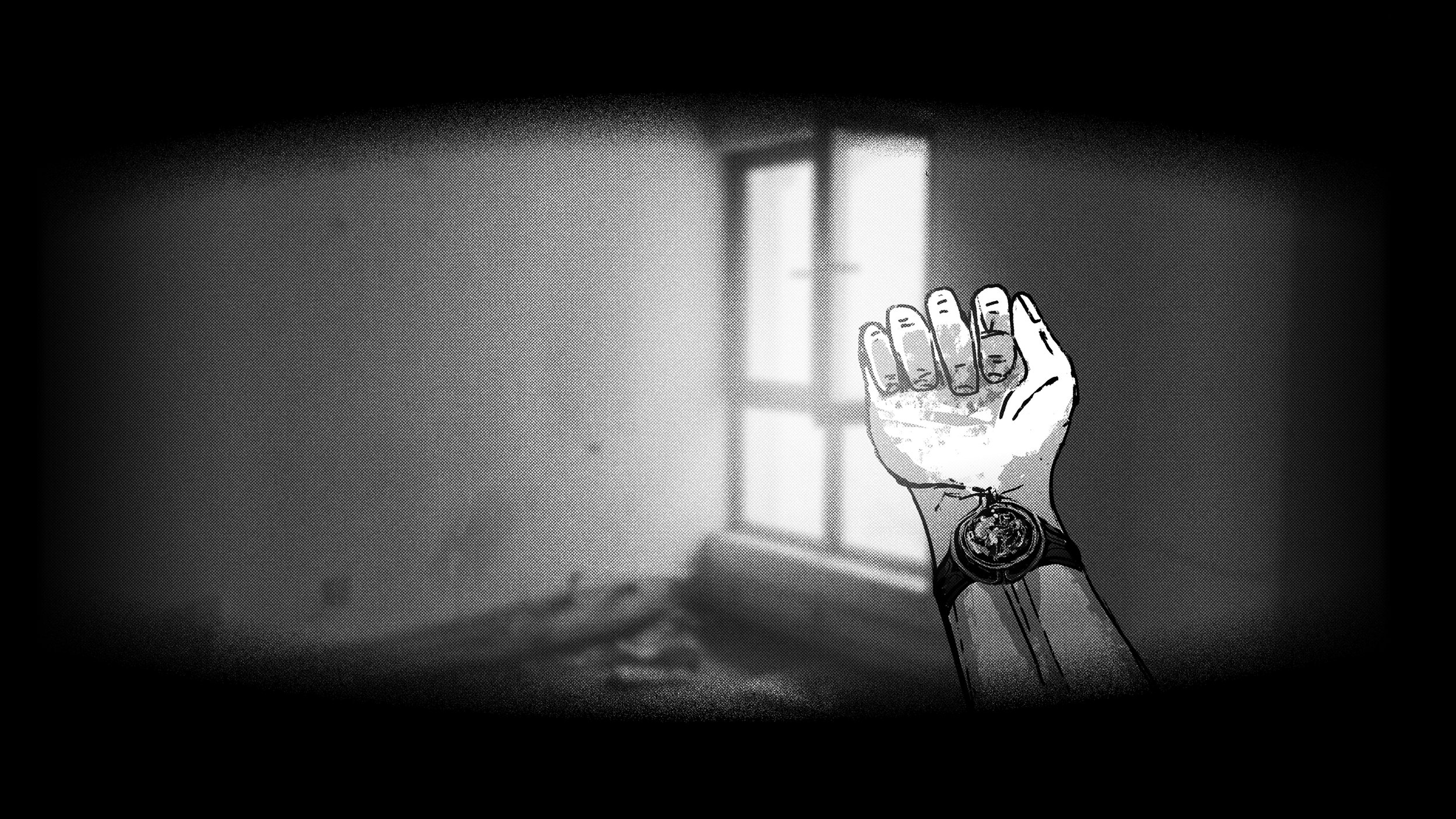
That is the bit I want to see in play. A lot of narrative games talk about consequence, then boil it down to a dialogue option glowing politely at the bottom of the screen. Signet City's premise gives Martin a stranger control scheme for consequence. If the player exists between people, not above them, every decision can feel a little invasive.
The first-person shift matters
Signet City is also a perspective change. Citizen Sleeper felt like a board game, a diary, and a panic attack arranged around a space station map. You watched systems tick down. You planned your day. You hoped the dice did not betray you in some humiliating little way.
Putting that style of writing and systemic pressure behind someone's eyes could make it more intimate, but it could also make it easier to lose what made Citizen Sleeper so precise. First person is good at place, texture, and dread. It is less naturally good at showing a web of obligations unless the interface and pacing carry that weight.
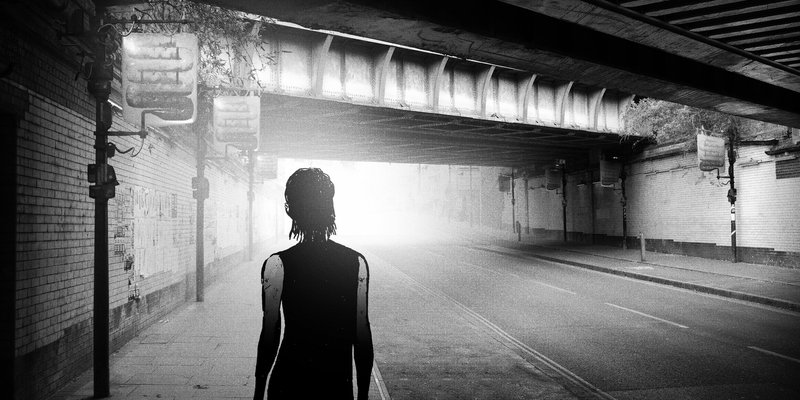
The reveal materials suggest Jump Over the Age knows this is the challenge. Signet City is described as a city seeded with stories, caught in ecological collapse, governmental overreach, and strange technologies. The trailer's stark black-and-white look, brutalist buildings, post-punk influence, and the use of SPRINTS' "Abandon" are not just mood dressing. They are doing work. They make the city feel like somewhere that has already been used up by larger systems, which is exactly the kind of place Martin writes well.
Fungalpunk cannot just be grime with spores
There is a trap here. "Fungalpunk" could become another label for attractive decay: damp walls, bad lighting, organic wires, nobody having a good shower for several years. Signet City needs more than a strong visual identity. It needs the fungus to change how players think.
Martin's previous work has often circled ecology, dependency, abandoned infrastructure, and communities building lives inside broken machinery. Rock Paper Shotgun's reveal coverage points back to Martin's interest in humans as part of ecology rather than separate from it. That makes the parasite angle feel less like shock value and more like a continuation of a long-running idea: people, technology, labor, bodies, and places are tangled together whether anyone admits it or not.
If Signet City turns that into playable structure, it could be special. Not because it is weird, though yes, playing as a brain parasite is doing plenty of heavy lifting there. It could work because the weirdness gives the game permission to make agency uncomfortable.
What players should watch for next
For now, this is a reveal, not a hands-on verdict. The store pages and announcement materials sell the mood and premise, but they do not fully show how inhabiting hosts works moment to moment, how much control players have over each life, or how the city changes across a run or campaign.
Those are the questions that matter. Can you meaningfully shape conversations without turning hosts into puppets? Does first person make the RPG systems clearer or blurrier? Will the city feel like a living network, or a sequence of stylish rooms with excellent wallpaper rot?
Still, Signet City is immediately worth watching. Citizen Sleeper earned trust by making survival feel social instead of heroic. Signet City looks ready to test that idea from inside the skull. Unpleasant? Probably. Interesting? Very.