AI Dungeon sounds simple until you actually sit down with it. You type what your character does. The game answers. Then you type again. That is the whole loop, at least on paper.
The strange part is what happens when you stop hunting for the correct verb. This is not Zork with a bigger dictionary, and it is not a BioWare questline hiding behind a command prompt. AI Dungeon is closer to a solo roleplaying session with an improvising game master who is fast, occasionally brilliant, and sometimes convinced your medieval detective has wandered into a spaceship for no reason.
That can be great. It can also be messy. If you are coming in because the phrase "AI RPG" sounds like limitless magic, lower the temperature a bit. AI Dungeon works best when you treat it as a story sandbox, not a polished authored RPG with balance, quest flags, and a designer quietly protecting the pacing.
What AI Dungeon is
AI Dungeon is a text-based adventure-story game from Latitude. The official site describes it as a game you direct and star in while the AI brings the adventure to life. Latitude's company page says the game launched in 2020 and has grown into a large community of players and scenario creators.
In practice, you start from a scenario or a custom prompt, then write actions in plain English. You can say what you do, what you say, where you go, or what kind of scene you want next. The AI replies with the next beat of the story. From there, you keep steering.
That makes it appealing to a very specific kind of player: tabletop people who like loose narration, writers who want a toy box, RPG fans who enjoy making their own fun, and anyone who has ever tried to break a dialogue tree just to see whether the game noticed.
How a first session usually goes
Pick a scenario if you want training wheels. Fantasy adventurer, sci-fi survivor, detective, haunted house, cozy village, whatever mood you want. If you start from a blank prompt, give the AI more than a genre label. "I am a disgraced knight trying to smuggle a cursed crown out of a flooded city" gives the game more to work with than "fantasy adventure."
Once the story starts, write concrete actions. "I ask the innkeeper who paid the mercenaries" is better than "talk to innkeeper." "I check the lock for a trap before opening it" is better than "open door." The more specific your input, the less the AI has to guess.
You should also expect to edit, retry, or correct the story. That is not failure. That is part of the tool. If the AI forgets your companion's name, remind it. If it jumps tone, pull it back. If it hands you a boring response, retry and move on. The players who enjoy AI Dungeon tend to meet it halfway instead of waiting for it to behave like a finished campaign module.
Where you can play
The cleanest starting point is the official AI Dungeon website, which links to online play and mobile app downloads. The game is also listed on Google Play as AI Dungeon: RPG & Story Maker for phones, tablets, and Chromebooks, with in-app purchases and a Teen rating. Apple's App Store lists the iPhone and iPad version as free with in-app purchases and a 13+ age rating.
Steam is messier. AI Dungeon has a Steam page for the 2021 release, but that page currently says the game is no longer available on the Steam store. So if you are new today, start with web or mobile rather than assuming the Steam version is the default route.
Tips before you burn your first evening
Start small. One town, one problem, one clear character goal. AI Dungeon can spin up huge worlds, but huge worlds are also easier for it to lose. A tight premise gives you better scenes and fewer nonsense detours.
Keep a few facts consistent in your own writing. Names, locations, relationships, current danger. If the story matters to you, repeat important details naturally when they come up. Think of it like giving a human GM useful reminders at the table, except this GM has the attention span of a caffeinated raven.
Use the game for what it does well: sudden twists, strange side characters, weird journeys, and low-pressure roleplay. Do not expect tactical combat to hold together like Pathfinder. Do not expect mysteries to solve themselves cleanly unless you keep pointing the AI toward the clues. Do not treat every generated sentence as sacred. Sometimes the best move is to cut a bad paragraph and keep the good idea underneath.
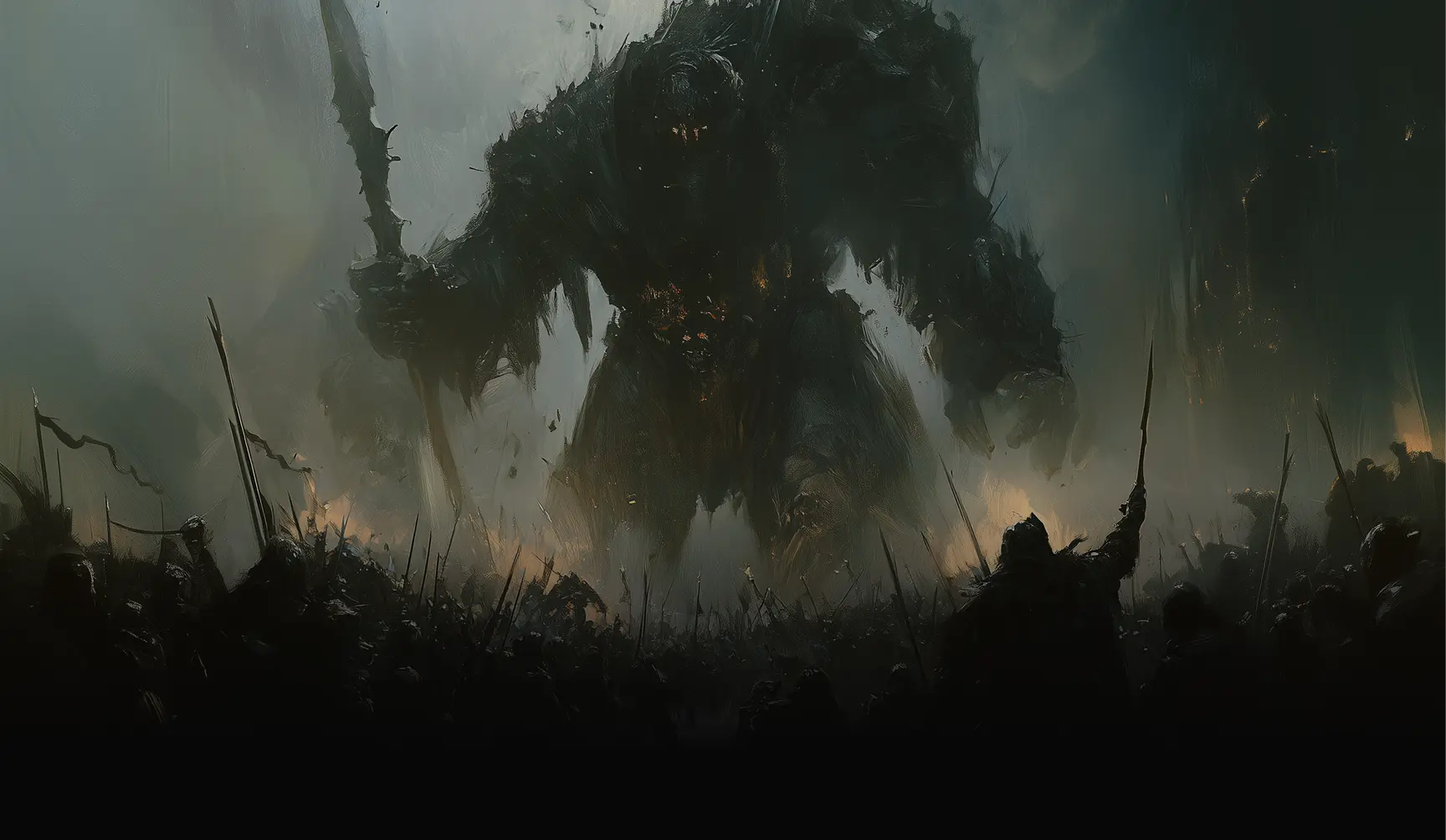
Latitude frames AI Dungeon as the origin point for its broader AI roleplaying work, but the current game is still best understood as a flexible text sandbox.
Who should try it
Try AI Dungeon if you like making characters, improvising around chaos, or turning a half-formed prompt into an evening of nonsense. It is also a good fit if you miss the spirit of old text adventures but want a game that says yes more often than a parser ever would.
Skip it, or at least approach carefully, if you need authored quests, reliable lore tracking, precise rules, or a clean win condition. AI Dungeon can feel magical for ten minutes and then suddenly forget what room you are in. That is the bargain.
The best way to play is to bring a strong opening, steer firmly, and laugh when the machine goes feral. If you can do that, AI Dungeon becomes less of a broken RPG and more of a strange notebook that argues back. Some nights, that is exactly the kind of game you want.